More than any country in sub-Saharan Africa, Nigeria’s distributed diesel generator capacity outstrips its grid-connected power-generation capacity.
That dependence is obvious when you visit Nigeria.
In a megapolis like Lagos, which around 22 million people call home, there’s no escaping the constant drone of generators. Businesses, hospitals, schools and residential buildings depend on these gas and diesel-guzzling machines to provide power during frequent power outages. If you run a business, self-generation is literally what keeps the lights on. Nearly half of electricity across the country is self-generated, largely with the help of small- and medium-scale generators. If put together, these generators have a capacity of almost 14 GW, 4 fold of what the national grid can reliably supply in power. (To put things in perspective, Nigeria can generate 14-15 GW in power but the transmission network can only carry 4 GW.)
Over the last two years, businesses have been hard hit by surging diesel prices. In the aftermath of Russia’s invasion of Ukraine, it soared to 800-900 Naira per liter, up nearly 200%. Even before the crisis, businesses had to allocate up to 40% of operational expenses to diesel. Today, to cope with high fuel costs, many companies across Nigeria are cutting working hours, laying off staff or shutting down. And with the removal of subsidies on other types of fuels in May 2023, the need for alternatives has never been felt this acutely. But there is hope on the horizon driven by the adoption of solar energy.
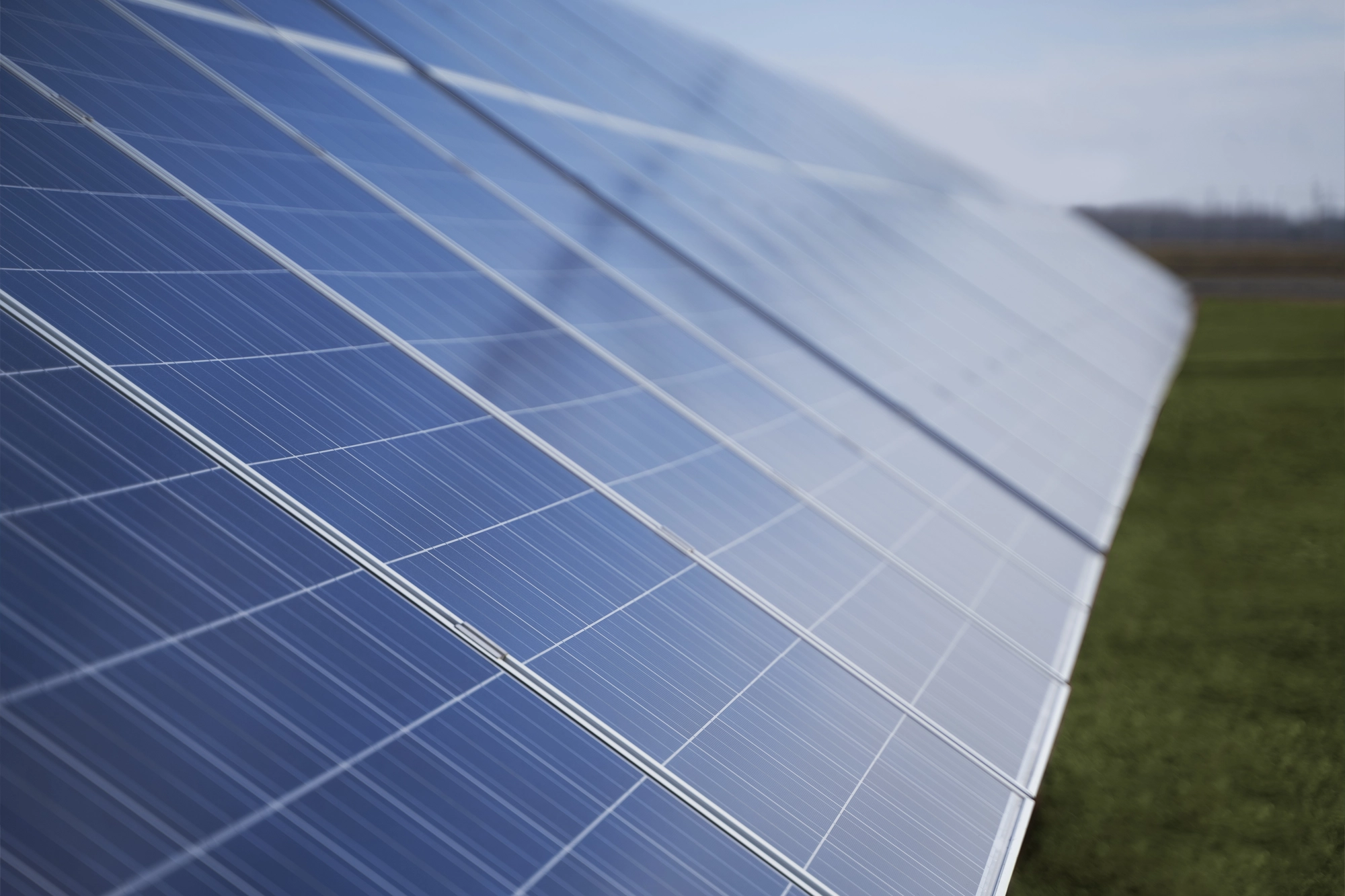
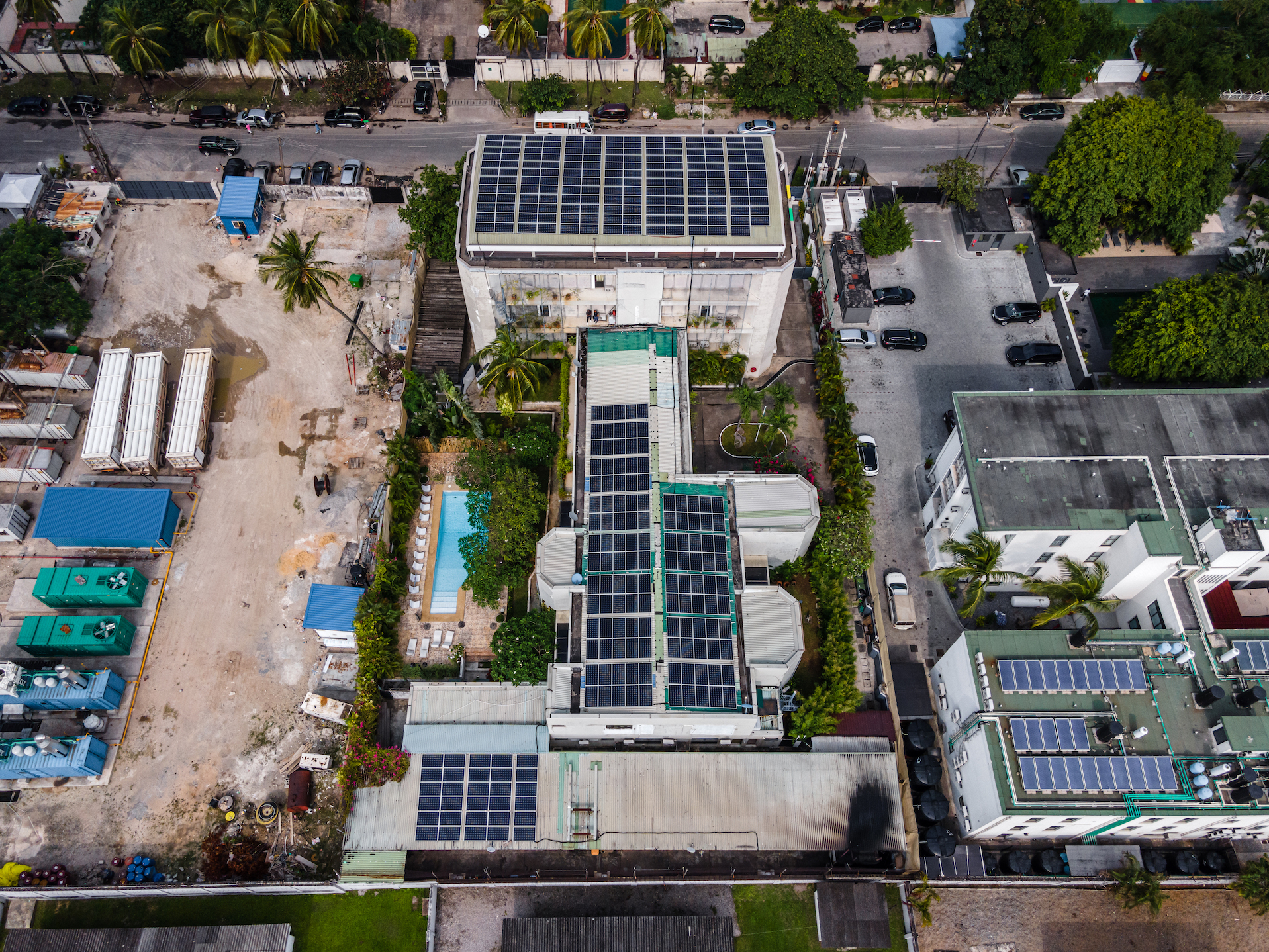
Over the last 5 years, Daystar has successfully deployed solar systems to hundreds of businesses across Nigeria. We’ve seen the sheer number of commercial & industrial (C&I) solar companies that have mushroomed to meet a growing market demand in our emerging industry. Installed independently from the grid, solar is providing Nigerian businesses with cheaper power with up to 30% cost savings and safeguarding against power cuts.
Given the stand-alone nature of their systems, C&I solar developers have historically been siloed from Distribution Companies (DisCos), privatized companies responsible for grid power distribution at a local level. While hybrid solar solutions with battery storage (often referred to as ‘distributed energy resources’) are able to integrate with the grid, allowing customers to still procure power from DisCos, solar developers and DisCos do not actively coordinate their available supply, leading inevitably to higher energy costs for businesses.
Moreover, DisCos are at risk of losing customers, who might find a solar-diesel model more attractive due to greater reliability. In this case, DisCos lose revenue, which means they have even fewer funds to reinvest in their networks.
And it is here where hybrid solar energy and grid-connected power systems can make a difference. If solar companies and DisCos join forces, they can bring forth a model that is cheaper and more sustainable for businesses. In this model, diesel generators could be entirely removed from a business’ self-generation set-up, saving the customer in energy costs and reducing their carbon emissions. In addition, with a secure stream of revenue (some of which might have been lost due to companies willingly disconnecting from the grid), DisCos could invest to improve the quality of their networks. While this idea looked great on paper, we wanted to test it in real life and analyze it from three points of view: the solar developer, the customer, and the distribution company.
In 2023, together with the Rocky Mountain Institute (RMI) and with funding by the United States Trade and Development Agency (USTDA), we ran a comprehensive feasibility study of this trilateral cooperation.
In the project, our goal was to create a ready pipeline of hybrid solar and grid-connected power systems for twenty businesses in Lagos and Abuja working in close cooperation with three DisCos, Abuja Electricity Distribution Company (AEDC), Eko Electricity Distribution Company (EKEDC), and Ikeja Electric (IE). We looked at 20 different businesses (from schools to churches to supermarkets to furniture manufacturers), and found a positive impact in 17 cases, with an average savings of 26%. Not only that, depending on the specific case and market conditions, DisCos could increase their profitability from 8% to up to a whopping 1,000%.
How the model works
While it will take time to truly disrupt and transform the way businesses across Nigeria procure their power, someone has to take the first step. With that in mind, let’s take a quick look at what the proposed model entails.
To start, the customer, the solar provider (like Daystar) and the DisCo sign a tripartite agreement, which defines both how power is supplied and the way payment is arranged.
Under the agreement, we would install a complete hybrid solar system with solar PV, cabling, and AC/DC inverters. For the customer, this requires no upfront investment. Our systems are fully financed, meaning that customers pay zero up-front costs for the system, which is a huge deterrent for African businesses to install large-scale solar systems. They only pay for electricity consumed, per an agreed tariff/kilowatt hour. If needed, we will also finance local grid upgrades, taking some of the financial burden off DisCos’ shoulders. DisCos would need to pay back over time.